This place is INCREDIBLE!!!!
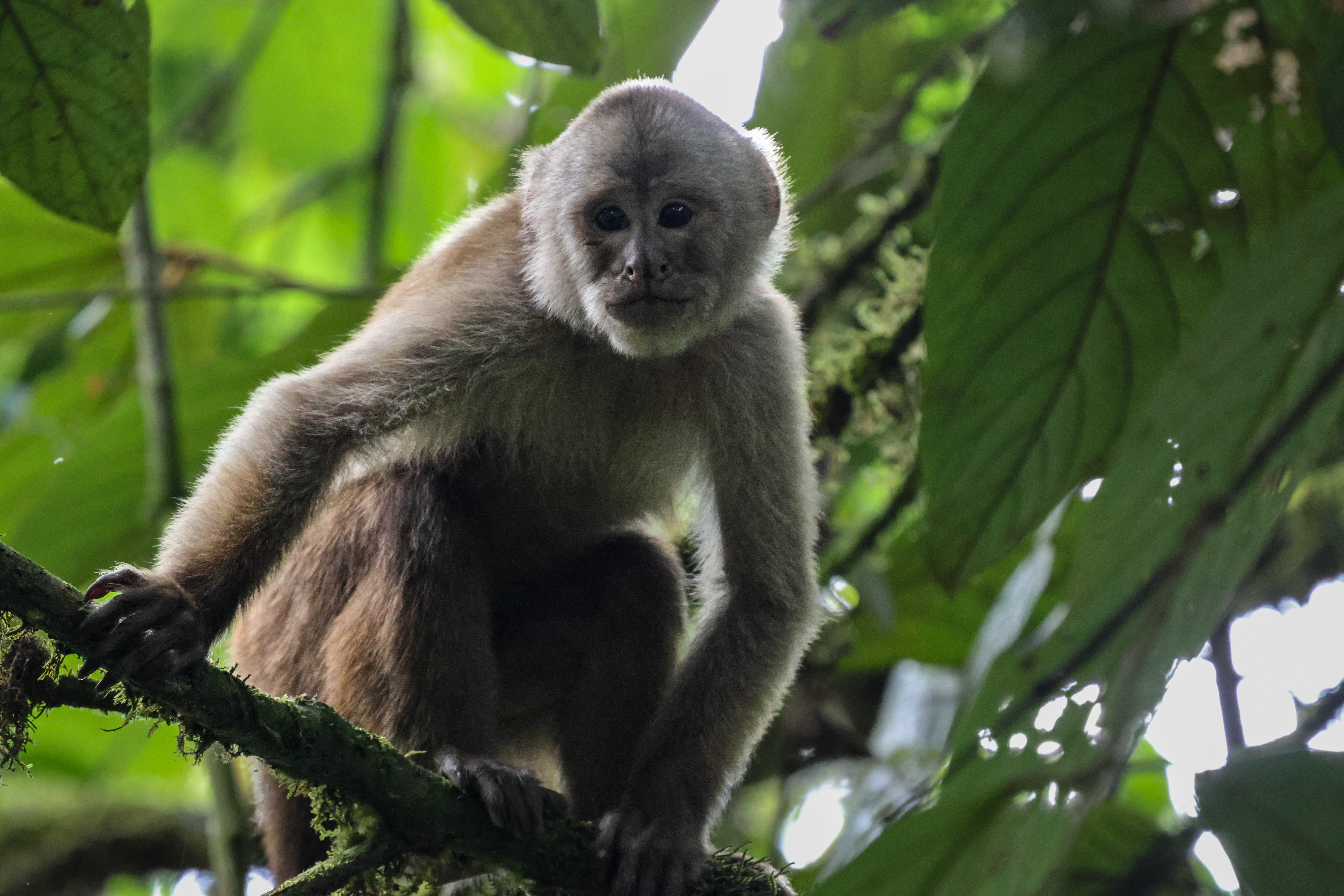
Every day for the past 60+ days has surprised us with more and more beauty and wonder. If it isn’t a new bird species appearing right before our eyes, it’s a troop of Capuchin monkeys swinging past us during a Lek tour. Or, in the case of James, the river ‘providing’ another type of material he can use for something within the Reserve. Usually, it’s pieces of metal he can use for stair building but the 35m+ polypipe he found making its way down the river to become more debris is the winner so far! It won’t go to waste with James around!
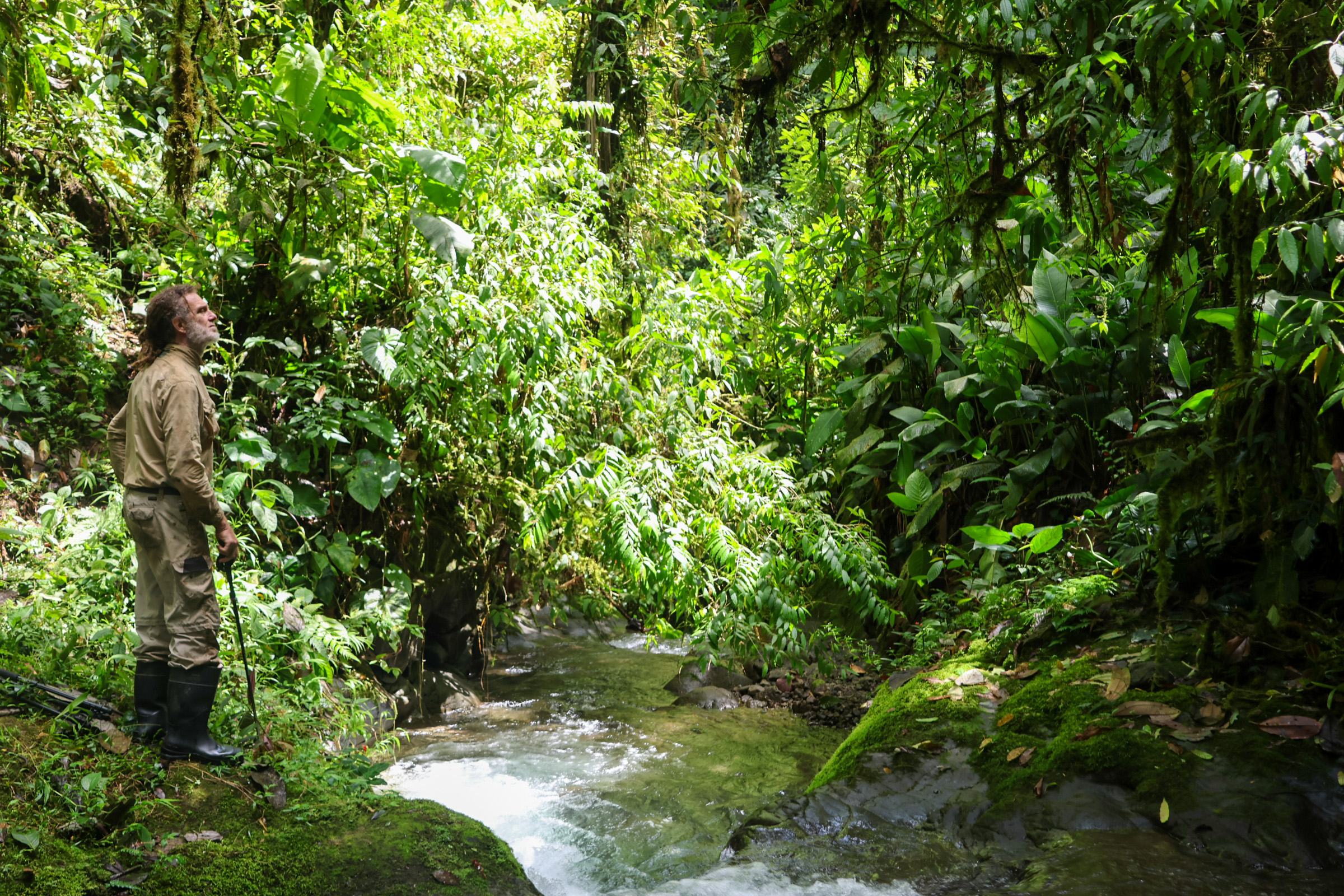
The past month has been busy with visitors (30 in total for July!!) and started off with trail maintenance now that the dry(er) season has settled in. Most of our days consist of beautiful sunny mornings with clouds coming over in the afternoon and sometimes a shower in the late afternoon. We plan most of our activities for the morning for this reason. The rainy afternoons are well spent doing the hummingbird counts (4-5pm daily) as the hummers LOVE the rain! Fun fact: hummers are more active when it’s raining because they get cold easily when they are wet and have to flutter even more to stay warm, which means they have to eat more to keep their energy levels up! Ah the life of a hummer….


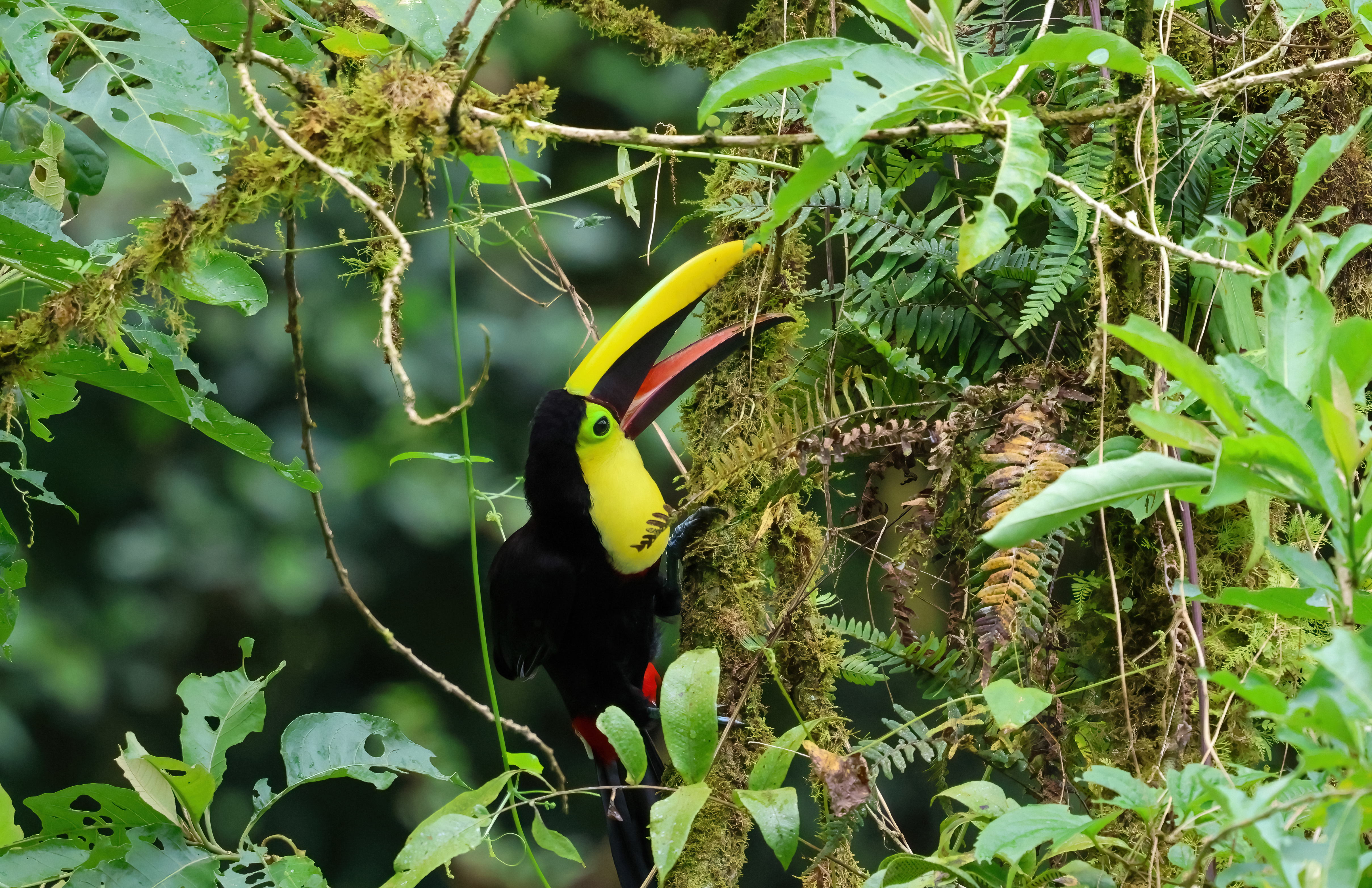
Karen has had fun collecting footage for her short videos on various RLT topics eg, Different shapes and sizes of leaves, Why is the Toucan’s bill so big and What is a Cloud Forest exactly? More to come, stay tuned!!
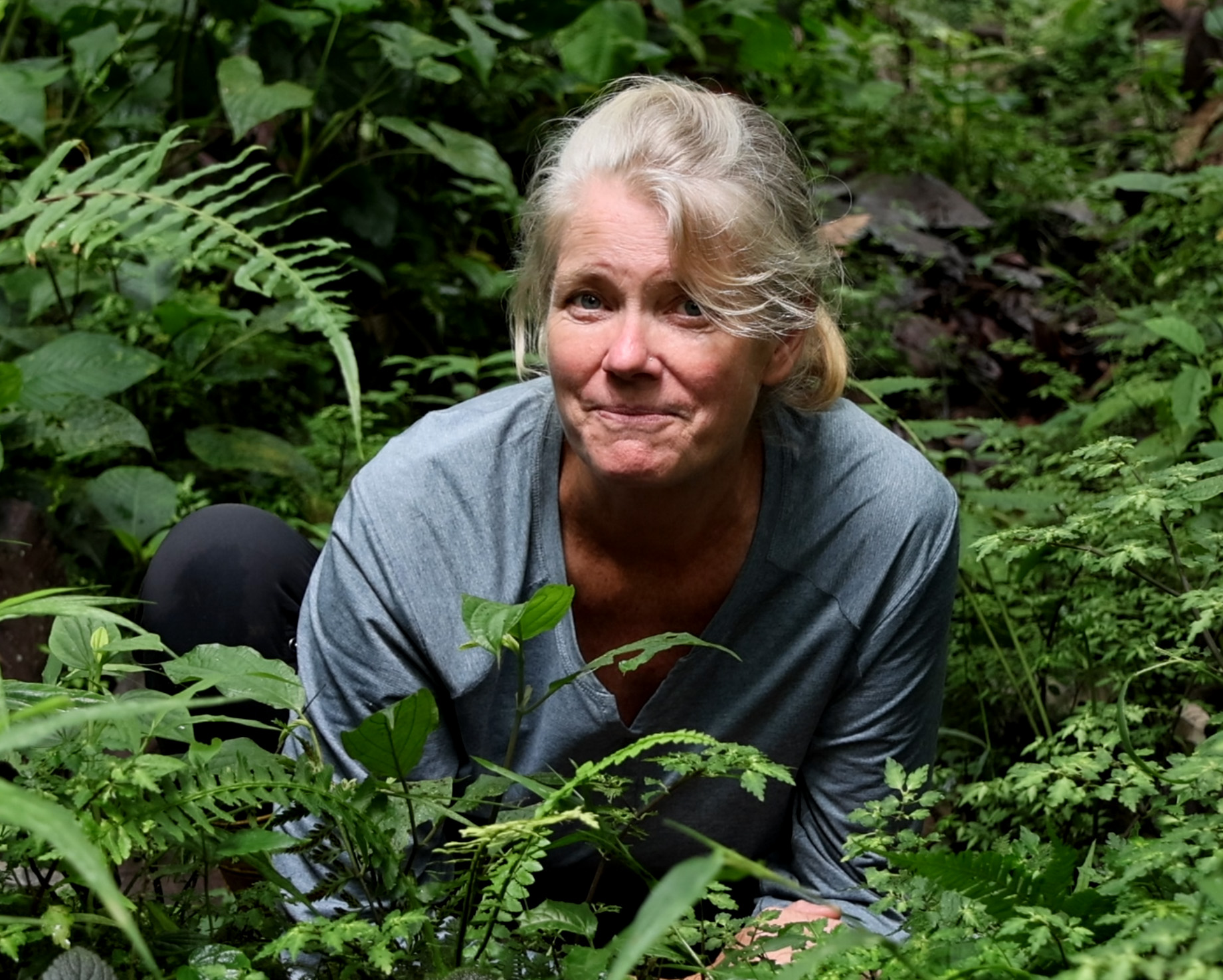
Karen has also been creating ID sheets for visitors for the ‘frequent flyers’ around the Cabana. The double-sided sheet contains 54 species. Just a mere 8th of what there is at RLT. Really, this is a great excuse to be taking photos and identifying more and more birds! At least we are both in our element and are thoroughly enjoying our time at RLT.


Upon confirming a hummingbird species with Dr Becker, she not only identified the hummingbird species but also the flower it was eating. Dr Becker noted that when she was here in January, there was hardly any of this Brazilian Red Cloak (Megaskepasma erythrochlamys) to be seen. Consequently, it has enjoyed 8 months of undetected growth and spreading! This invasive species was planted some years ago to provide more flowers for the hummingbirds. However, like many non-native species in any area, they are thriving! James dropped his track maintenance and got straight to the removal of plants and roots. Despite making bare spots in the vegetation, their removal will allow native species to resume their natural growth.

Never a dull moment for us here at RLT! (Did we mention how much we love it here?)
Karen y James

 Reserva Las Tangaras
Love your blogs and so happy your are thriving at RLT.
LikeLike